Lake Sevan is the largest freshwater body not only in Armenia but also throughout the Caucasus region. It lies at an elevation of about 1,900 meters above sea level, covers an area of 1,240 square kilometers, and receives water from 28 tributaries. In addition, the lake serves as the primary source for the Sevan–Hrazdan hydroelectric power plant complex.
- Vacation on Lake Sevan 2026
- The Lake’s Surroundings
- Interesting Facts
- Beach Season on Lake Sevan
- Things to Do on Lake Sevan in Summer
- Lake Sevan in Spring and Fall
- Lake Sevan in Winter
- Popular Tours in Sevan

Since ancient times, people have settled along the shores of this natural reservoir. Even in difficult periods, access to fresh water helped communities survive. Moreover, during centuries when attacks and sieges by hostile neighbors were common, Sevan symbolized both security and hope for the future. Over time, many events and stories unfolded here, leaving the lake surrounded by history and legend. Today, numerous villages dot its shores, and since 1978 the lake has formed part of Armenia’s Sevan National Park.
Vacation on Lake Sevan 2026
During the Soviet era, the picturesque lake and its surroundings gained recognition as a national health resort. Not only members of the party elite but also ordinary citizens came here to отдых, improve their health, and receive treatment. As a result, the region developed sanatoriums, resorts, tourist bases, and vacation homes. In addition, visitors could join guided tours and organized day trips.
This remarkable region combines mountain landscapes with historical monuments and a strong culinary tradition. Because of its Caucasian cuisine, wines, cognac, and genuine hospitality, it attracted Soviet travelers from across the vast country. Even today, visitors can enjoy many activities. For example, people go horseback riding, hike or cycle along the lakeshore, and take boat trips on Lake Sevan aboard the only vessel still in operation from Soviet times. Furthermore, travelers explore the cultural and architectural heritage of the area. However, only a few tourist facilities remain, and their infrastructure is not always in top condition.
Those who have visited Lake Sevan often describe it as one of Armenia’s key symbols and strongly recommend seeing it in person. Despite problems related to falling water levels in the past, the lake remains picturesque and unique. In fact, many visitors say that photographs cannot fully capture its beauty and unusual emerald shades. The water stays crystal clear and refreshingly cool even during hot weather. Nevertheless, people still sunbathe and swim on the beaches during the summer season.
Features of the Lake
The lake basin, surrounded by mountain ranges, formed through tectonic processes and lava flows that created a natural dam. As a result, the water body is divided into two parts—Large Sevan and Small Sevan. The Artanish Peninsula and Cape Noratus act as natural barriers, leaving a wide channel between them. The first basin is larger but also shallower, with a maximum depth of about 28–30 meters. Meanwhile, the shoreline of Small Sevan is more indented with bays, and its depth reaches up to 80 meters in some places. Overall, the average depth of the lake system is about 26 meters.
Besides the rivers that flow into it, the reservoir also receives water from underground springs. From there, the outflow continues into the Hrazdan River. During the Soviet period, authorities actively used the lake’s water for agricultural and industrial needs. Consequently, construction of the Sevan–Hrazdan cascade began in 1923, and the system eventually included eight hydroelectric power plants.
As part of these large-scale projects, engineers intentionally lowered the water level of Lake Sevan. The plan aimed to use the newly exposed land for growing crops important to the national economy. However, the soil conditions turned out to be unsuitable for such large-scale agriculture. By the mid-20th century, this experiment had already caused a serious ecological crisis. The water level dropped by about 18 meters, and the lake could no longer replenish itself quickly enough. As a result, harmful substances became more concentrated in the water. By the end of the last century, the level had fallen to roughly 20 meters below normal.
The original 1931 project even assumed that Lake Sevan would become 55 meters shallower over a period of 50 years. Under that scenario, only Small Sevan would have remained, while planners intended to plant hazel and oak forests on the site of the drained Large Sevan.
Eventually, engineers addressed the situation by completing a series of canal tunnels in the early 2000s. These tunnels transferred fresh water to Lake Sevan from other reservoirs and rivers. As a result, the water level began to rise slowly but steadily. However, this improvement also created new challenges. By that time, people had already built houses along the previously dried shoreline. Consequently, some of those structures began to face flooding. In addition, parts of the highway and even railroad tracks risk ending up within the flooded zone.
The coastal areas exposed during the earlier water releases were later replanted with vegetation. For instance, specialists planted sea buckthorn, pine, poplar, and other trees and shrubs along the shore. Further inland, visitors can see thickets of mountain ash, rosehip, and barberry. Moreover, in certain places natural stands of maple, oak, and juniper have survived.
The Name of the Lake
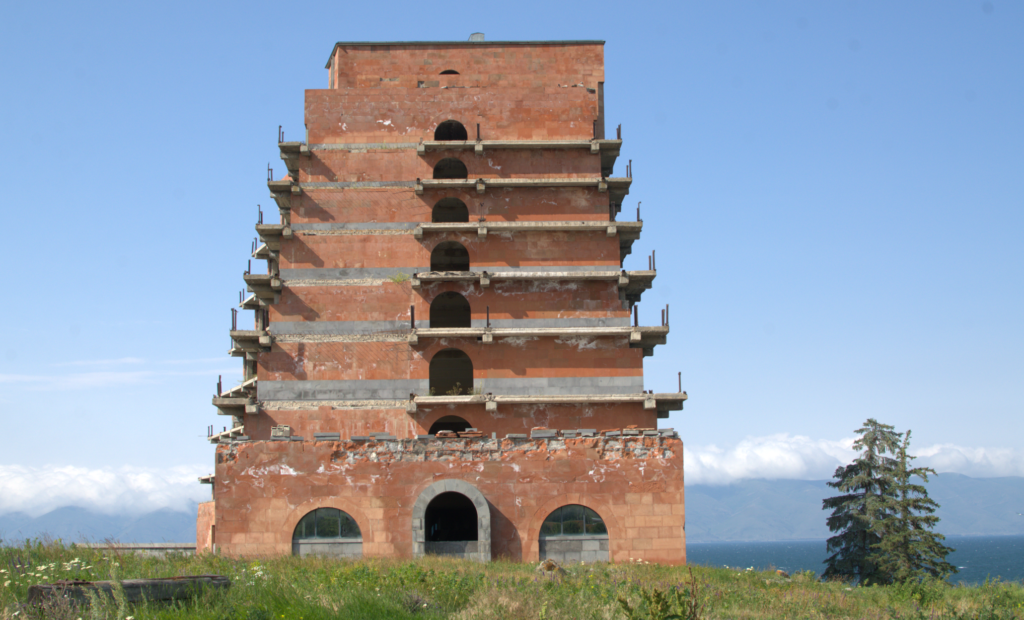
The place name translates as “Black Monastery.” Most likely, this name refers to the ancient Sevanavank Monastery, whose walls are built from dark-colored volcanic tuff. In fact, people established this religious complex on Sevan Island as early as the 9th century, and it has survived to the present day. At that time, leaving the island was difficult. According to one legend, monks who had committed offenses were sent there from the Echmiadzin Monastery for spiritual reform.
Another interpretation of the name connects it with Lake Van, which lies in the Armenian Highlands within the borders of modern-day Turkey. The climate there is mild and warm. Because of this, ancient Armenians used to say: “There is paradise in heaven, and Lake Van on earth!” However, after yet another war forced Armenians to leave their beloved Van and resettle near Sevan, they reportedly exclaimed in frustration: “We’ve ended up with Black Van!” In other words, they meant a colder and less hospitable place.
Over the centuries, Lake Sevan has carried several different names, including Gelamovo, Ghekharkunik, and Gelam. Moreover, many ancient sources even refer to it as a sea.
Around the Lake
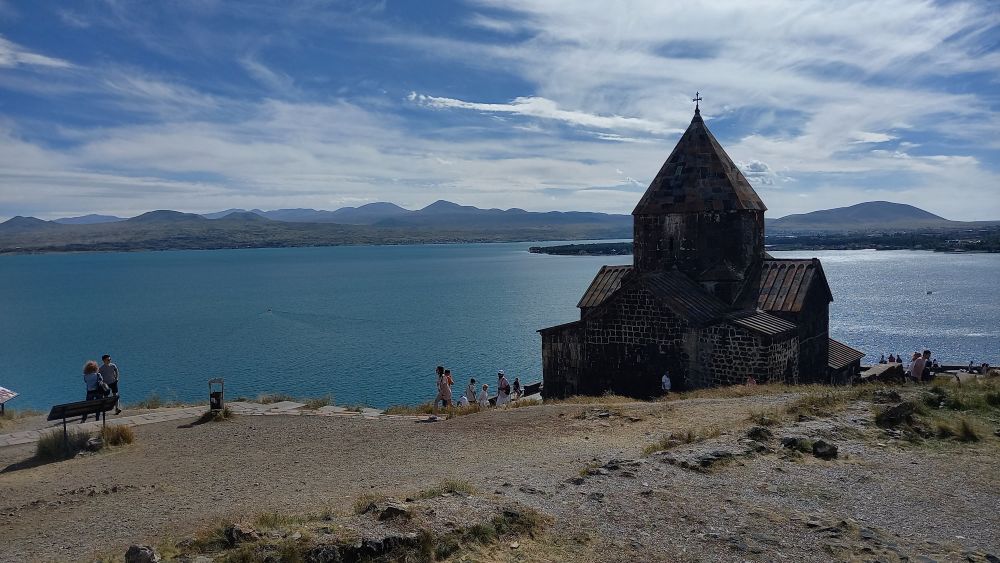
One of the main attractions around the lake is the Sevanavank Monastery. It stands on the northwestern shore of Lake Sevan, not far from the town of Sevan. Originally, builders founded the monastery complex in the late 9th century on a remote island. However, as the lake level dropped over time, the island gradually turned into a peninsula.
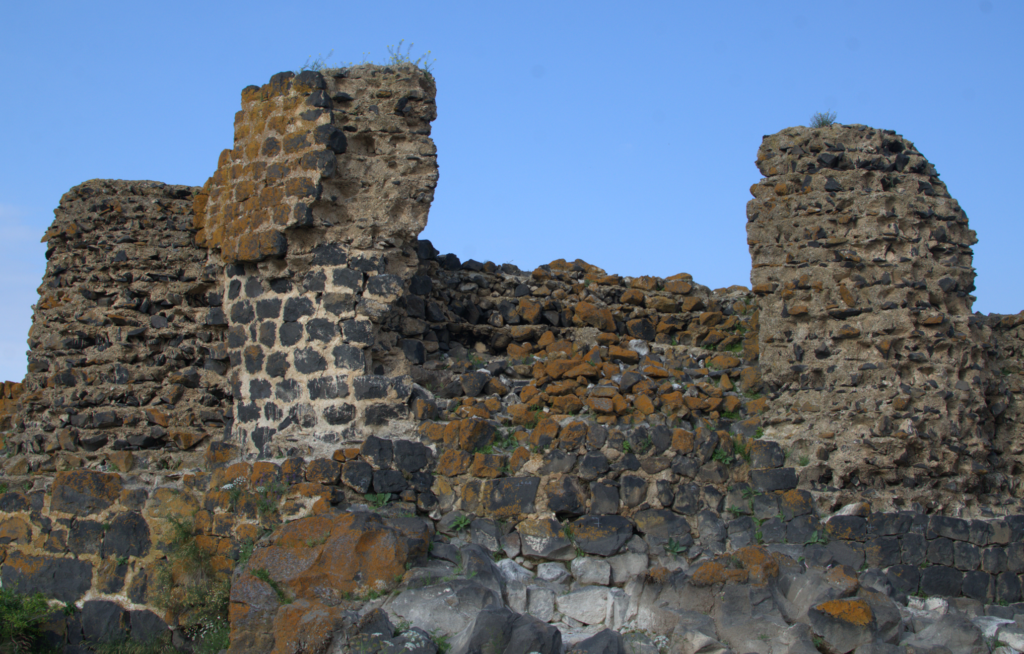
On the western shore of Sevan lies the village of Ayravank (Hayravank). Its history is closely connected with the monastery of the same name, which dates back to the 9th century. Nearby, an ancient fortress rises above the surrounding landscape. In addition, another monastery—Vanevan from the 10th century—stands in the village of Artsvanist.
The village of Noratus is famous for the country’s largest cemetery of khachkars, the traditional stone steles carved with crosses. Moreover, similar cemeteries can be found in several other villages located south of Lake Sevan.
After the lake’s water level dropped significantly, archaeologists discovered numerous ancient artifacts dating back to the Bronze Age. Today, visitors can see many of these finds in historical museums in Yerevan.
If you are traveling by car, you can also visit several more remote places within a single day.
Dilijan
From Sevan, travelers often continue to the town of Dilijan, which people frequently call the “Switzerland of Armenia.” This nickname reflects its natural landscapes, historical buildings, and cultural landmarks. In addition to sanatoriums and spa hotels, the resort town attracts visitors with its national reserve, medieval monasteries, khachkars, and historic sacristies.
Dilijan National Park
Dilijan National Park is especially appealing for lovers of outdoor adventures. Thanks to its vast wilderness, the park offers excellent opportunities for hiking, mountain biking, or simply enjoying a picnic in nature. Numerous trails wind through dense forests, open onto alpine meadows, and lead to scenic viewpoints. Moreover, each season brings new colors and impressions, which makes every visit unique. Ultimately, Dilijan invites travelers to explore and rewards them with memorable experiences.
Goshavank Monastery
Goshavank Monastery, located in the picturesque village of Gosh, is an important historical site that reflects Armenia’s rich heritage and deep spirituality. Builders founded the monastery in 1188, after an earthquake destroyed the nearby Getik Monastery. The complex owes its name to Mkhitar Gosh, a respected lawyer, writer, and spiritual teacher who played a major role in the intellectual life of his era.
The Goshavank complex is particularly known for its refined architecture and detailed stone carvings. Most notably, one of its khachkars is considered among the finest examples of Armenian stone-cross art. The famous master Poghos created this masterpiece in the early 13th century.
Within the monastery grounds, visitors will find several structures, including the Church of the Virgin Mary, a Gregorian church, and a number of chapels. Builders used local pink basalt stone for these buildings, which gives the entire complex a distinctive and harmonious appearance.
Agartsin Monastery
Deep within the deciduous forests of the Tavush region stands another remarkable monument of Armenian architecture—the Agartsin Monastery. Here, the harmony between nature and architecture becomes especially striking. Builders developed the monastery complex between the 10th and 13th centuries.
Today, the complex includes the churches of St. Gregory, the Holy Mother of God, and St. Stephen, along with several auxiliary structures. In the past, a massive oak tree once stood not far from the monastery, and its age was nearly equal to that of the complex itself. Unfortunately, only a small part of the hollow trunk has survived. Nevertheless, it continues to attract visitors. According to local belief, if you pass through the narrow hollow and make a wish, it may come true.
Interesting Facts
In the early 20th century, engineering structures were built along the shores of Lake Sevan to facilitate the transport of passengers and cargo by water. Shipping began with small motorboats, but over time, motor vessels appeared on the lake. The most famous of these was the “Mikoyan.”
Water transport was discontinued due to a drop in the lake’s water level. Today, only sailboats can be seen on Lake Sevan.
In 2012, a sunken ship was discovered at the bottom of the reservoir. One part of it is beautifully preserved, while the other is destroyed.
The lake is home to four subspecies of the Sevan trout, which belongs to the salmon family. This is the main commercial fish of Lake Sevan. You can try it at almost any local café or restaurant.
There is a helipad on the western shore of the lake.
Beach Season on Lake Sevan
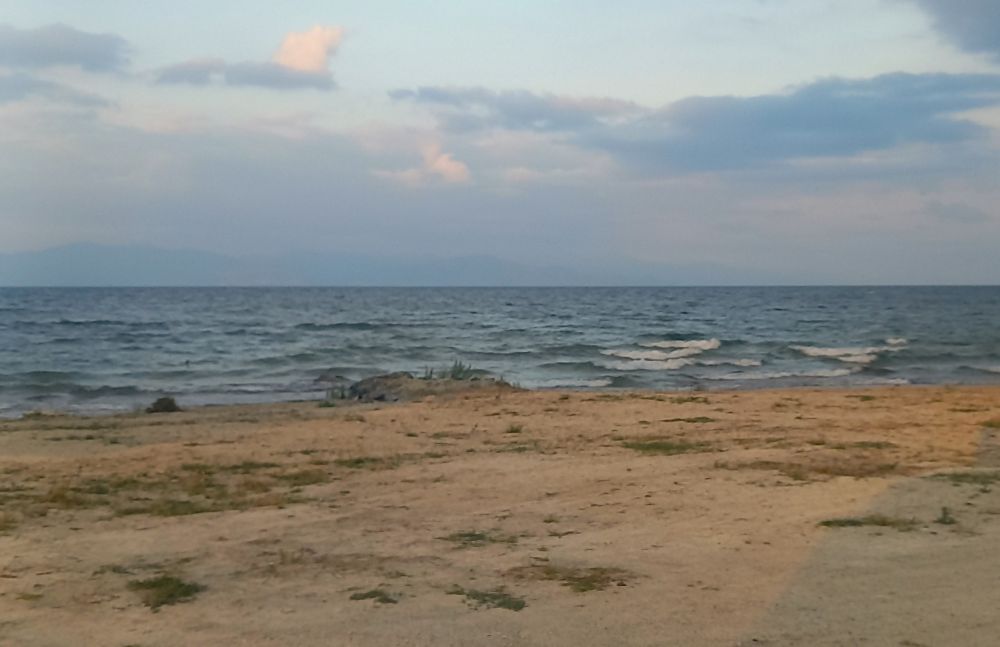
The official opening of the beach season on Lake Sevan usually takes place on July 1. From this date, public beaches start operating and offer facilities such as changing rooms, showers, shelters, and playgrounds. In addition, authorities organize safety measures for vacationers, so lifeguards, medical stations, and eco-patrols remain on duty throughout the season.
However, the swimming season here is relatively short because of the cool climate. Typically, the best time for swimming lasts from mid-July to the end of August. During this period, the water temperature usually reaches 18–22°C.
Even in summer, the water in Lake Sevan stays quite cool. Therefore, visitors should follow basic safety precautions. For example, avoid swimming while intoxicated, stay within the marked buoys, and always keep a close eye on children.
Sevan Beaches
Where to swim in Armenia: a guide to Lake Sevan for all tourists. Save this, visit, and enjoy a wonderful vacation. Let’s embark on a fascinating journey through the most picturesque beaches of Sevan, where every corner is filled with a unique atmosphere and natural beauty. Here are the top 11 beaches on Lake Sevan in Armenia worth visiting in the summer of 2026:
- Artanyish
- Sevan Dream
- Sevan Up Inn
- Tufenkian Beach
- Turquoise Beach
- Golden Shore
- Barcelona
- Drachik
- Gegama
- White Sharja
- Norashen Beach
Hotels on Lake Sevan with a Beach
Comuna Sevan
Immerse yourself in an atmosphere of comfort and freedom at Comuna Sevan—a creative space by the lake where minimalism blends with natural harmony. Here, every guest is part of a single, cozy community designed for relaxation, socializing, and inspiration.
Tsovasar Family Rest Complex
Tsovasar offers family warmth and Armenian hospitality on the shores of Lake Sevan. Spacious cottages, cozy rooms, and children’s play areas make a stay here comfortable for the whole family—from the youngest to the adults.
Art Hotel Sevan
Stay where art meets nature—at Art Hotel Sevan. Interiors inspired by Armenian culture, original art installations, and panoramic views of the lake turn every day here into a gallery of vivid emotions.
Rancho on Sevan Beach by HV
The Wild West, Armenian style—Rancho by HV invites you to a vacation with character! Country-style wooden cabins, active leisure, and a relaxed atmosphere make this place ideal for those who value freedom and style.
Edem Sevan
Paradise begins here—at Edem Sevan. A private beach, designer interiors, and impeccable service create the feeling of a personal oasis on the shores of Lake Sevan. Every moment feels like a dream you never want to wake up from.
Louvre Luxury Collection Hotel
Louvre Sevan is the epitome of a premium getaway. The elegance of French style, exquisite cuisine, and a spa area with panoramic views make this hotel the perfect destination for discerning travelers.
Best Western Bohemian Resort
Bohemian Resort offers a relaxed atmosphere with a touch of bohemian chic. Relax in style, enjoying the beauty of Lake Sevan, live music in the evenings, and the comfort that has become the hallmark of the Best Western chain.
Sevan Writers House
The house where great minds once lived and created is now open to new stories. The Writers House—a legendary place steeped in the spirit of literature and creativity—now offers a unique getaway surrounded by inspiration and history.
Blue Diamond Lake View
Blue Diamond is a gem among Sevan’s hotels. Modern design, panoramic windows overlooking the azure lake, and impeccable comfort make a stay here a true find for those who appreciate style and tranquility.
Noy Land Resort
A classic of Armenian resort comfort, Noy Land combines spaciousness, tradition, and nature. It is a place where you can relax both body and soul: a swimming pool, fresh air, home-style cuisine, and warm hospitality.
Garden Inn Resort Sevan
A garden where memories bloom. Garden Inn is a harmony of greenery, scents, and tranquility. It’s perfect for romantic weekends and family vacations with leisurely walks and evening sunsets.
Jrahars Resort
Jrahars is a resort that embodies the traditions of Armenian hospitality and the comforts of modern leisure. Warmth and friendliness reign here, and every morning begins with a view of crystal-clear Lake Sevan and a cup of aromatic coffee.
Things to Do on Lake Sevan in Summer 2026
Lake Sevan offers not only picturesque landscapes and ancient monasteries, but also a vibrant hub for active and diverse recreation. Here’s what you can do on the shores of this legendary high-altitude lake:
- Jet skiing. Speed and adrenaline lovers should try jet skis—they let you feel the freedom, the wind, and the coolness of Lake Sevan at full speed.
- Beach relaxation and swimming. During the summer season, Sevan transforms into a resort with clean sandy and pebble beaches where you can soak up the sun and swim in crystal-clear water.
- Sailing and catamarans. For a more leisurely experience, sailing and catamaran trips are available. This is the perfect way to enjoy the calm waters of the lake and the solitude far from the shore.
- Fishing. Lake Sevan is famous for its trout and whitefish. Fishing here is not just a hobby, but a ritual, especially popular at dawn.
- ATV and off-road vehicle tours. The area around Sevan features hills, fields, and ancient trails. An ATV ride or jeep tour offers breathtaking views and a sense of adventure.
- Hiking trails and trekking. Picturesque trails run along the lake, leading to monasteries, lookout points, and abandoned villages. Ideal for those seeking peace and quiet.
- Diving and underwater excursions. Even underwater, Lake Sevan holds its secrets. Those who enjoy unique experiences can try diving with an instructor and discover what lies beneath the lake’s surface.
- Boat and yacht cruises. Small tour boats and private yachts offer mini-cruises where you can admire the scenery and take incredible photos.
- Camping and campfires. On the wild shore, you can pitch a tent, build a campfire, and enjoy Lake Sevan at night under the starry sky.
- Local cuisine and a culinary tour. Local cafes and restaurants offer fresh fish dishes from the Sevan region—including sig, khash, tolma, and homemade wines.
Lake Sevan in Spring and Fall
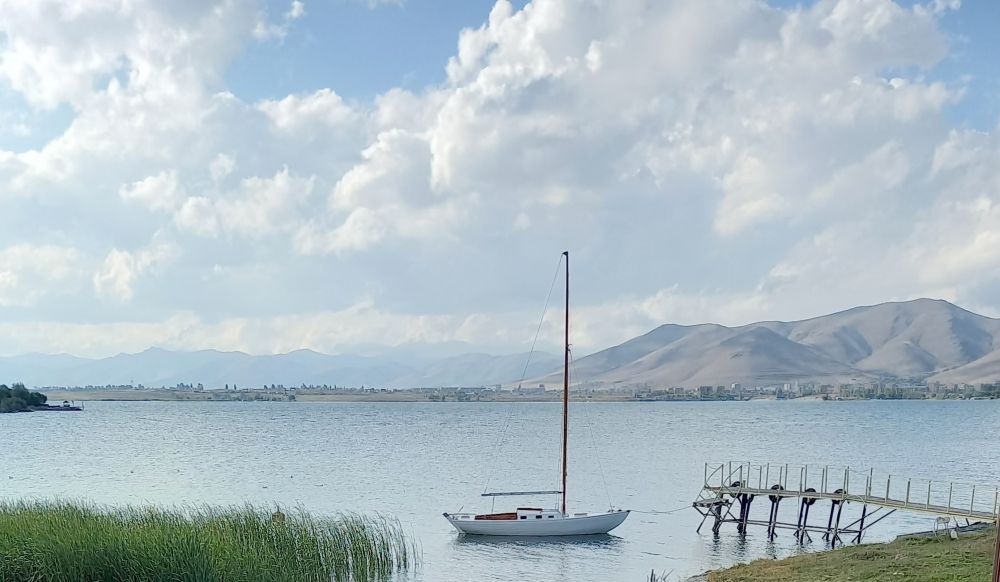
Spring and fall are wonderful seasons to visit Lake Sevan. In spring, mild temperatures encourage the meadows around the lake to bloom with bright flowers, which creates a lively and inspiring atmosphere. Meanwhile, autumn transforms the landscape as leaves and plants change color. As a result, visitors can admire a rich palette of warm orange and red hues.
Top activities on Lake Sevan in spring and fall
Excursions and walks
During spring and fall, the weather creates ideal conditions for exploring the numerous trails around the lake. Moreover, these seasons attract fewer tourists than summer. As you follow the hiking routes, you will discover breathtaking views of blooming landscapes and colorful autumn scenery, especially from September through October.
Cultural visits
Lower tourist traffic also allows for a calmer and more enjoyable exploration of the historic monasteries around the lake. For example, travelers often visit Sevanavank, Ayravank, and Khor Virap. These sacred sites provide a unique sense of peace and tranquility, which makes them ideal for a contemplative visit. In addition, about a 40-minute drive from the Sevan Peninsula, visitors can reach the medieval Noratus Cemetery. This site contains the world’s largest collection of khachkars, with stones dating back to the 10th century.
Local Markets
In spring and fall, markets in Sevan become less crowded while still offering a wide variety of local produce, handicrafts, and souvenirs. Therefore, this period is perfect for experiencing local culture and interacting with residents.
Lake Sevan in Winter
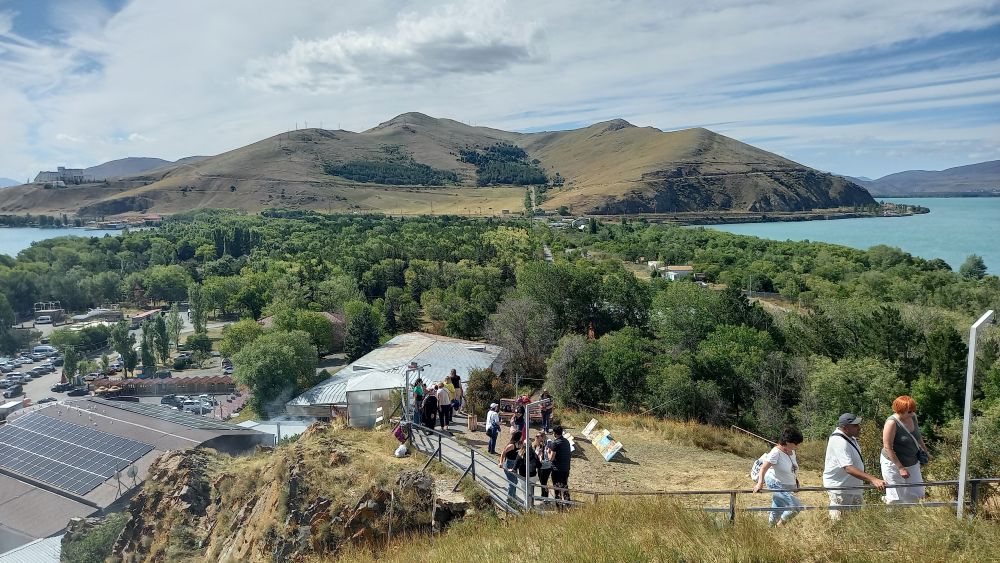
Winter is another fascinating time to travel to Lake Sevan. During this season, snow covers the landscape and transforms the lake and its surroundings into a memorable destination. Consequently, visitors can enjoy spectacular views that leave a lasting impression.
Top activities on Lake Sevan in winter season
Ice fishing
Ice fishing is perhaps the most popular and memorable winter activity. When the lake partially freezes, locals and visitors fish through small holes cut into the ice. Sitting on the frozen lake with a cup of hot coffee while waiting for a catch creates a unique and unforgettable experience.
Snow excursions
Visitors can explore the lake’s surroundings and nearby mountains using snowshoes or other winter sports equipment. As a result, the snow-covered landscapes reveal a special sense of tranquility and natural beauty.
Landscape photography
Winter conditions create exceptional opportunities for photography. The snow-covered shores, the surrounding mountains, and the deep blue water of the lake form striking scenery. In fact, the contrast between white snow and the lake’s color often impresses even experienced photographers.
Visiting Monasteries
Just like in other seasons, travelers can continue visiting the monasteries around the lake during winter. However, the snowy surroundings add a special atmosphere to these historic sites. As a result, the monuments often look even more impressive and memorable.
Popular Tours in Sevan
Tours to Sevanavank Monastery
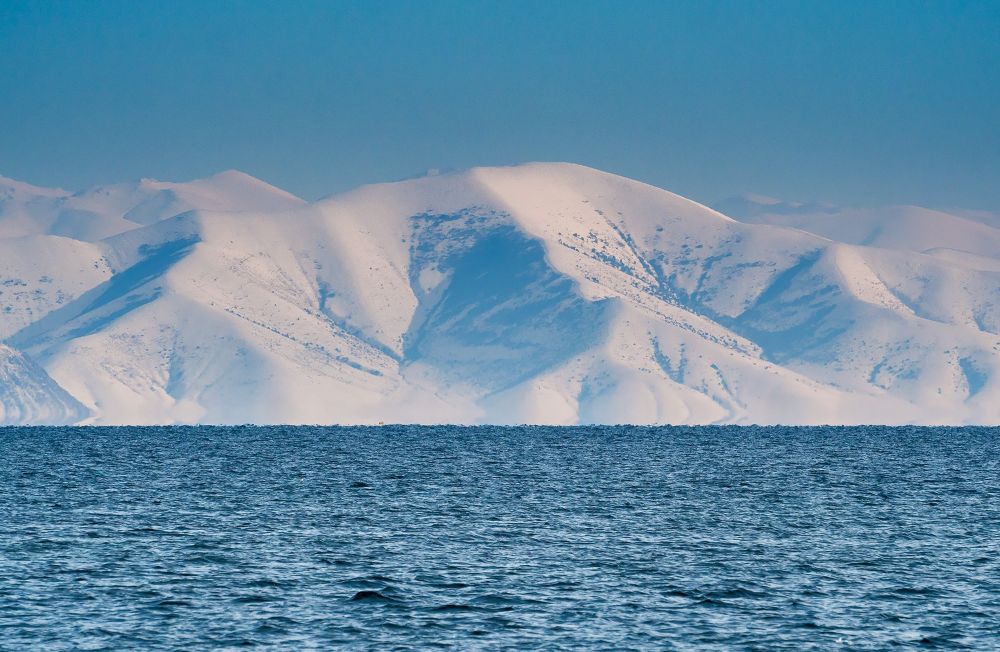
Sevanavank Monastery is not just an ancient temple but living history carved in stone. However, you can fully appreciate this history only during a guided tour. Set against the blue waters of Lake Sevan, this architectural masterpiece impresses visitors with both spiritual depth and a unique atmosphere. Here, centuries-old silence meets the grandeur of nature.
Perched on a picturesque peninsula, Sevanavank offers breathtaking views of the lake. Founded in the 9th century, the monastery served as a key spiritual center of medieval Armenia. During the tour, guides explain why builders chose this location, what secrets the ancient khachkars hold, and how monks once lived on this remote headland. Moreover, an experienced guide brings history to life, shares local legends, and reveals hidden corners that visitors often miss on their own.
Tours to Ayravank Monastery
Ayravank, meanwhile, remains a lesser-known but equally impressive gem. Standing on a rocky promontory that seems to hover above the water, the monastery creates a strong sense of timelessness through its seclusion and austere beauty. Here, visitors clearly feel the harmony between architecture and nature. During the tour, guides explain why the monastery has remained in such good condition, how it connects to local traditions, and why pilgrims still come here today.
Architecturally, Ayravank represents a remarkable example of Armenian design. Builders constructed the structure mainly from basalt, while they used tuff for the arches and the dome with an octagonal drum. The monastery complex stands in the northeastern part of the village of Ayravank in the Gegharkunik region, right on the shore of Lake Sevan, on a rocky promontory.
Day Trips from Yerevan to Lake Sevan
Day trips to Lake Sevan from Yerevan combine visits to historical, religious, and cultural landmarks with tastings of Armenian dishes and beverages. For instance, one popular tour begins at the lake and ends with dinner at the haute cuisine restaurant Tsakhkunk in the village of the same name. Before dinner, visitors can join a lavash-baking master class. Therefore, a trip to Lake Sevan is especially appealing for food lovers and culinary enthusiasts.
In 2026, affordable tours from Yerevan offer a convenient way to see the main highlights of the region in about eight hours. During the hot season, Lake Sevan becomes one of the best places in Armenia to cool off. Visitors can try Sevan crayfish and trout, enjoy water sports, and admire the remarkably clear night sky. The lake lies about 85 km from Yerevan and connects to the capital by one of the country’s best roads, which ensures a comfortable journey.
In addition to the lake itself, most tours include a visit to Sevanavank Monastery. Many people also call it the Black Monastery because of the dark volcanic stone used in its construction. The complex includes the churches of Arakelots and Astvatsatsin and stands on a peninsula that offers impressive views of the surrounding landscapes.
An eight-hour guided tour to Lake Sevan from Yerevan typically costs about $220 per car for four people. In addition, the lavash-making workshop costs around 2,500 drams per person, while children can participate free of charge. However, the final price may vary depending on the number of travelers.
Excursions to the Noratus Khachkar Cemetery
Travelers can also take one-day excursions to the village of Noratus. Recently, this destination has gained attention among visitors who seek new experiences and authentic places. People come here mainly to see the unique medieval cemetery, the largest in the country, which features an impressive number of ancient khachkars.
Noratus lies in the Gegharkunik region, on the right bank of the Gavaraget River, about 5 km northeast of the town of Gavar. Locals consider it one of the oldest settlements and often describe it as an open-air khachkar museum. What makes the visit especially memorable, however, is the storytelling of elderly women from the nearby village, who share local history in a vivid and engaging way.
At the center of the village stands the 9th-century Church of the Holy Mother of God, built by the Gegharkunik prince Sahak. Meanwhile, on the southeastern outskirts, visitors can find the Church of St. Gregory the Illuminator and a large crypt that contains numerous khachkars dating from the 13th to the 17th centuries.
Excursions to a cheese farm with cheese and wine tasting
Custom tours in Armenia in 2026 also include visits to a cheese farm, with departures available both from Yerevan and from hotels on Lake Sevan. For food lovers, this experience feels like a true culinary paradise. During the visit, guests learn the basics of cheese-making and taste unique varieties produced only in Armenia.
At the farm, cheesemakers prepare unusual cheeses flavored with herbs, cognac, and mold. In addition, visitors can see traditional cheese aged in clay jars. Finally, guests can try making their own Armenian-style Parmesan and then taste the result of their work.