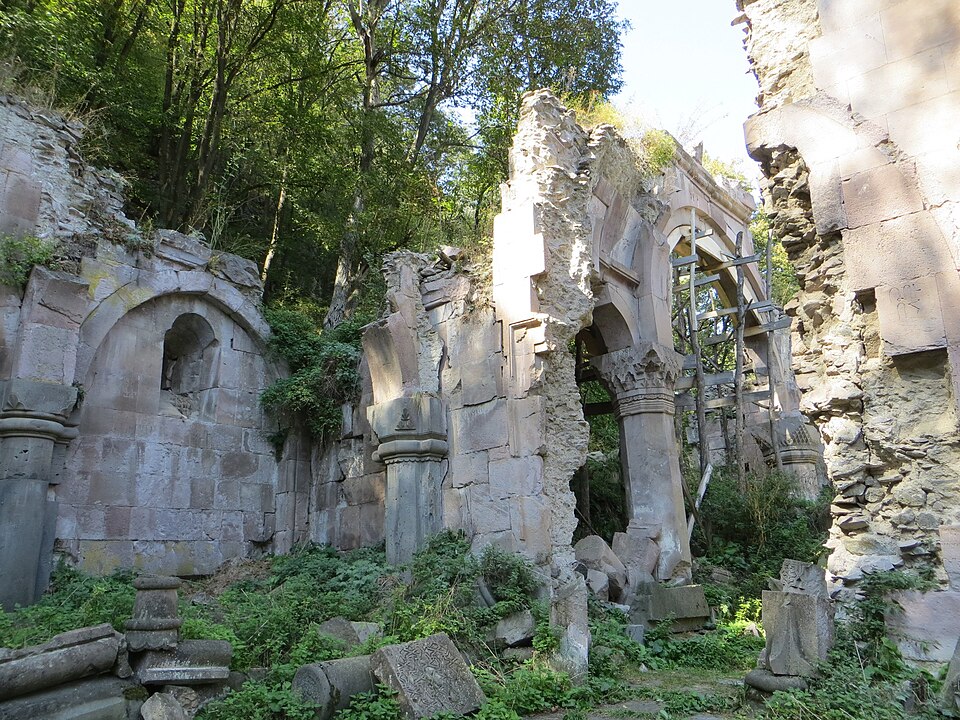
A mountain ghost town, an abandoned cable car, UNESCO World Heritage monasteries, and the Mikoyan Brothers Museum—we share a one-day itinerary from Yerevan.
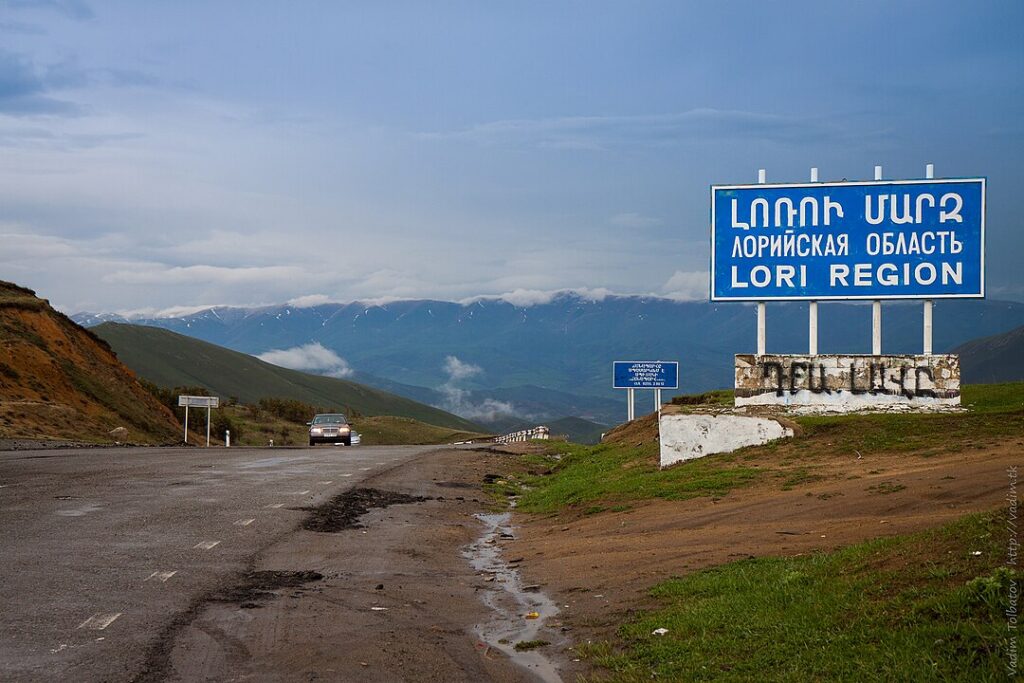
Overall
Lori Province (Lori) lies in northern Armenia, just two hours from Yerevan. Lori attracts tourists all year round: in summer, endless green gorges open up before you, and in winter, thick fog covers the mountains. Here you can see UNESCO monasteries, walk through an abandoned ghost town, and learn about the history of the Mikoyan brothers, aircraft designers.
How to get there?
The most convenient way is to rent a car for a day: driving from Yerevan to Lori takes only two hours, and with your own transport or a driver, you can visit more points along the route.
Alternative option: minibuses run from Yerevan’s “Konyachny Zavod” station to Vanadzor (the capital of the Lori region).
What to see?
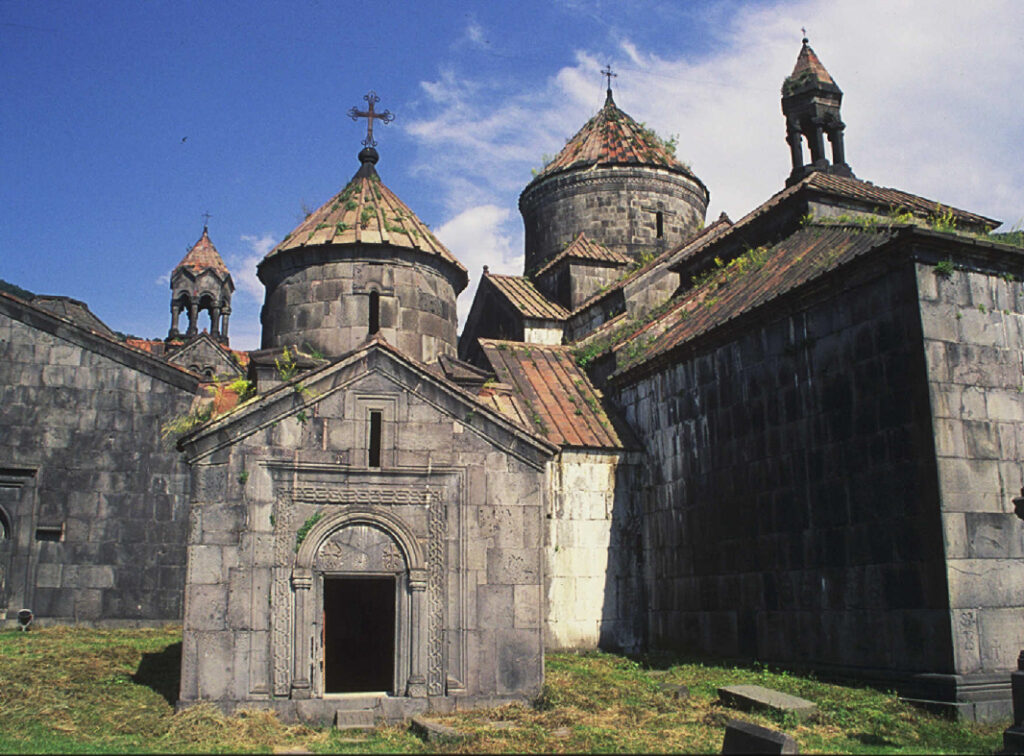
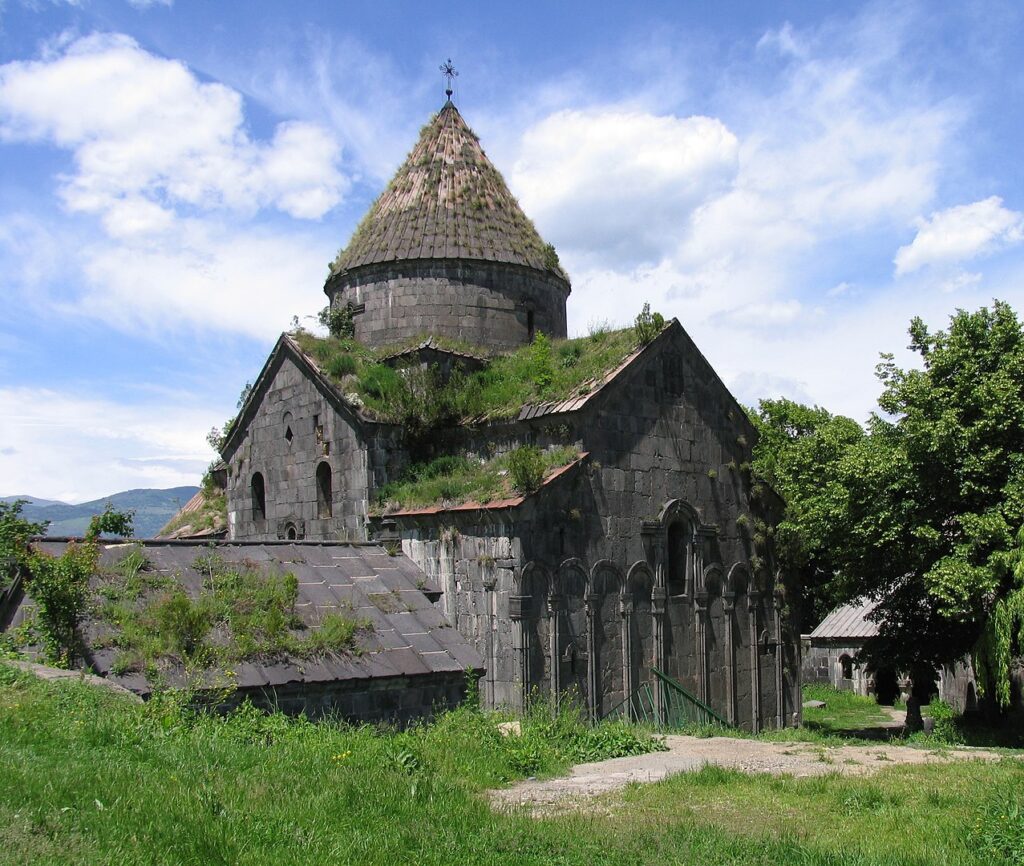
Akhpat and Sanahin Monasteries
A trip to Akhpat and Sanahin is one of the best things to do in Armenia — not only because this duo of Armenian monasteries is memorable and impressive, but also because breathtaking landscapes surround them. Shanahin and Haghpat lie four hours from Yerevan, so you can admire the truly fantastic views of the Lori region along the entire route.
In 1996, Haghpat became the first UNESCO World Heritage Site in Armenia and the third recognized site in the Caucasus (after Mtskheta and Gelati Monastery in Georgia). In 2000, UNESCO expanded the protected territory to include the second monastery of Sanahin.
The monastery complexes lie 16 kilometers apart in the far north of the Lori region. Sanahin towers over the industrial city of Alaverdi, while Haghpat stands farther north in the village of the same name.
Both monastery complexes date back to the 10th century and represent striking examples of the golden age of Armenian religious architecture. They combine Byzantine and Armenian stylistic elements that blend harmoniously into the local landscape.
Haghpat Monastery in Armenia is a medieval monastery complex that Queen Khosrovanuish founded in 976. It houses unique Armenian khachkar crosses from the 11th–13th centuries, including the famous All Saviors khachkar, which craftsmen created in 1273.
The largest church in the Haghpat monastery complex is the Surb Nishan Cathedral, which King Smbat built between 976 and 991. It stands as a striking example of 10th-century Armenian religious architecture. Its central dome rests on two pairs of solid pillars. Triangular recesses decorate the outer walls, and the fresco in the apse depicts Christ Pantocrator. The southern transept shows the Armenian prince Khutulkhaga, and the bas-relief on the eastern pediment displays images of the founder’s sons.
Except for a couple of minor restorations in the 11th–12th centuries, the church has retained its original appearance.
Debed Canyon
No matter how beautiful the monasteries are, one of the biggest highlights of any trip to Armenia is a visit to the Debed Canyon. Along the way, you will come across truly unique places for photos. That is why we recommend choosing custom or individual tours of Armenia rather than relying on public transportation.
Debed Canyon ranks among the most impressive natural landscapes in Armenia. It stretches from the city of Vanadzor, the administrative center of the Lori region, along the Debed River and north to the Armenian-Georgian border. The Debed River flows through the canyon, the road winds along its course, the mountains rise majestically above, and the breathtaking views from their slopes make the canyon one of the most popular tourist destinations in the country. Here you will find everything your heart desires — from peace and quiet and incredible nature to ancient monuments hidden in emerald forests, on mountaintops, or deep in the gorge.
Lori Fortress
When visiting the Lori region, be sure to explore Lori Fortress, which stands proudly 4.5 kilometers from the city of Stepanavan near the Dzhoraget River. Builders erected this landmark in the 11th century at an altitude of 1,500 meters above sea level, which explains the many natural caves and gorges in the area. The most remarkable feature of the fortress is the thickness of its walls — about 20 meters. Although invaders destroyed the fortress mercilessly, some parts have survived, including the baths and a chapel-mausoleum. Houses in the residential district feature wall frescoes, which, unlike many modern monuments, depict everyday scenes.
Lori Fortress sits at the intersection of picturesque canyons and connects to the outside world via two bridges.
Zarn-Parn Cave Fortress Complex
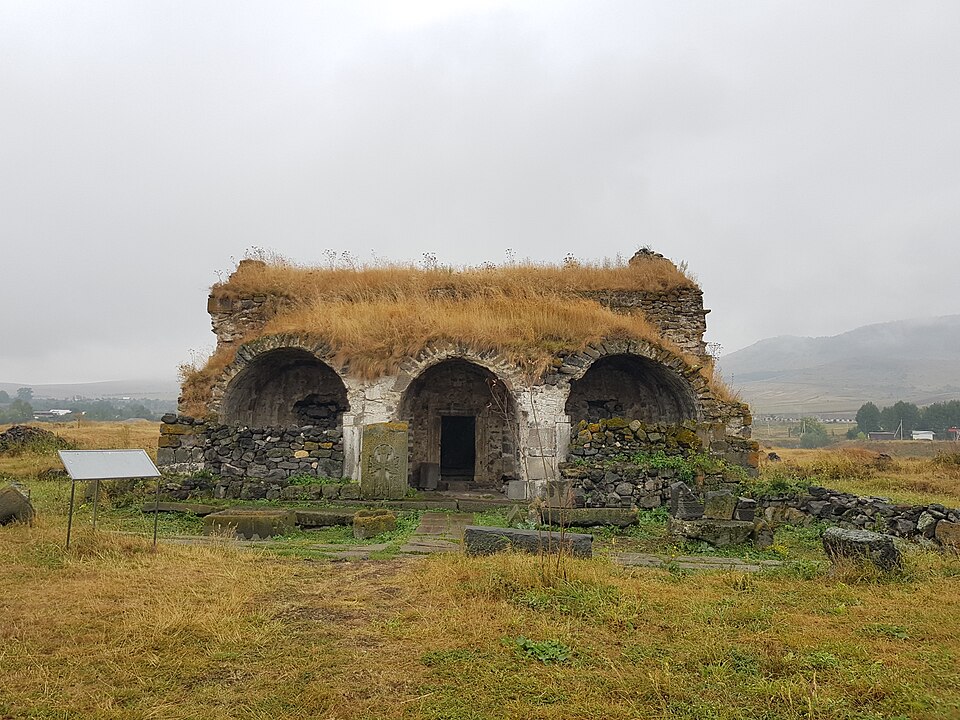
One of the most mysterious corners of the Lori region is the Zarn-Parn cave fortress complex in the western part of the Akhpat monastery. The structural components of this historical complex are the caves “Zarn er,” Parn Er, and Tsak Er. According to legend, during the defense against enemy attacks, the ruler of Zare, together with the nobility of his dynasty, took refuge here and cherished the manuscripts and treasures belonging to the Akhpat monastery complex. The second cave, intended for recreation, was rightly called “Gentlemen’s.”
Another unique architectural treasure is the Tsak Er cave, where in the 11th–12th centuries the Armenian chronicler, great polymath, and philosopher Hovhannes Imastaser took refuge.
Locals now call the dome fountain in the castle the “Drip Fountain,” and they once believed that the absolutely pure water dripping directly from the cave ceiling had healing powers.
Workers recently restored and reinforced the cave and improved the condition of the road. Thanks to the efforts of a private investor, a museum, a café, a winery, and a souvenir shop now stand next to the main attraction of the Lori region.
The ghost town of Alaverdi
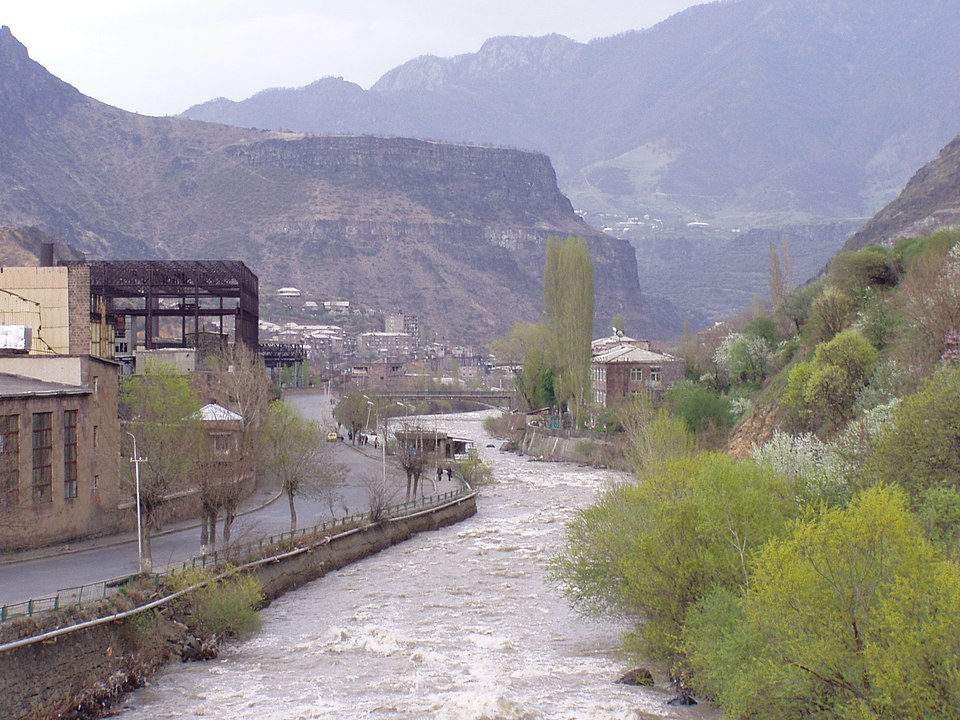
A picturesque serpentine road takes us to the town of Alaverdi, located in a mountain gorge. In the past, it was the industrial heart of Lori. In the 1990s, after the collapse of the USSR, almost the entire industrial part of the city fell into abandonment. Nowadays, travelers are attracted by the sights of the “ghost town” — an abandoned cable car, the Communications Building, and former factory premises.
However, the history of Alaverdi goes back much further than the Soviet copper smelting industry. Sources mention the city as far back as the 3rd–2nd centuries BC (“Manits Gom” or “Manes”), and since the 18th century it has appeared in historical records as a place of copper production.
The Mikoyan Brothers Museum
This small museum, located in the village of Sanain on the outskirts of Alaverdi, not far from the Sanain Monastery, is dedicated to two local brothers: Artem Mikoyan, the engineer who designed the MiG-21 aircraft, and Anastas Mikoyan, a politician and member of the Politburo of the USSR. The museum grounds offer a breathtaking view of the mountain gorges, and an aircraft designed by the brothers balances on the edge.
Old Sanain Bridge
The medieval stone bridge located in Alaverdi and stretching across the Debed River is another must-see attraction in the Lori region.
The Sanahin Bridge connects the two banks of the Debed River in the city of Alaverdi and serves as a perfect example of medieval Armenian engineering. Queen Vaneni built it in the 12th century in memory of her late husband. According to legend, she ordered the construction of the bridge while carrying the body of her husband, who died at the age of 19, to the family tomb.
Polished basalt stones form the arched span of the bridge, which is 18.6 meters long. High reliefs of lions as symbols of protection decorate the four corners of the upper part of the parapet.
Akhtala Monastery
This 10th-century monastery has preserved several unique wall frescoes, making it a must-see. It stands on a high rock, offering a stunning view of the city of Akhtala. On three sides, deep gorges surround this Lori landmark, which also features valuable religious monuments. Among them are the Church of the Holy Virgin with a small chapel-burial vault (medieval historians believe that Prince Ivane Zakaryan and his son Avag are buried there), 13th-century towers and gates, monastic cells, a bathhouse, a single-nave 13th-century church, and the remains of other buildings.
Odzun Church
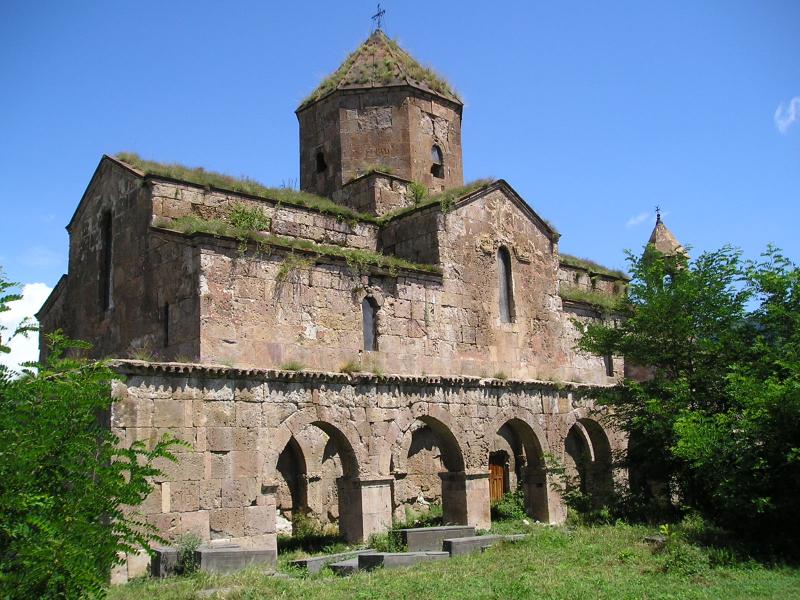
The next attraction in Lori is a 6th-century church located near the highway between Vanadzor and Sanahin. The village of Odzun lies in a stunning location on a vast plateau overlooking the majestic Debed Canyon, about 10 km south of the city of Alaverdi. The village is famous for two things: it is the birthplace of John of Odzun, one of the Catholic priests of the Armenian Church, and it is home to a unique Armenian church, the Odzun Basilica.
According to legend, in the 1st century, Thomas, one of the twelve apostles of Christ, ordained priests here, hence the name of the village. Tradition says that before leaving for India, he buried Christ’s swaddling clothes, and builders later raised a small church over them. In the 4th century, King Tiridates the Great and Gregory the Illuminator erected a basilica on this site, which expanded over subsequent centuries and gained its present appearance in the 8th century, except for the bell tower, which architects added at the end of the 19th century.
Lake Tsoverskoye
One of Lori’s natural gems and main attractions is Lake Tsoverskoye, peacefully nestled among emerald forests and mighty mountains. The lake is located 3 kilometers from the village of Dsekh and delights visitors with its serene elegance. People named the lake after a young girl named Tsovers, whose fate is connected with this place. Tsovers is 4.5 meters deep and 250 meters wide. The lake is easy to reach, and, moreover, you can relax at the campsite to enjoy the silence and the starry sky.
Kobayr Monastery
Another interesting attraction in the Lori region of Armenia is the 12th-century Kobayr monastery complex, famous for its mesmerizing frescoes. At one time, it served as an important center of education, culture, and literature in medieval Armenia, whose history intertwined with the activities of such royal and aristocratic dynasties as the Bagratuni, Kyurikyan, and Zakaryan.
Several caves around the monastery served as cells for monks. The name of the complex translates as “Cave.”
Hnevank and Khoro Mayr Monasteries
Builders completed the main church with its unique dome at Hnevank Monastery in the 7th century. The monastery itself stands deep in a gorge on the right bank of the Dzoraget River.
The Khoromair monastery complex lies about 3 km southeast of the village of Odzun. Although sources first mentioned it in the 7th century, craftsmen erected the surviving buildings between the late 12th and early 14th centuries. This unique monastery consists of two parts: the lower monastery, located just below the sheer cliffs on the left slope of the Debed Canyon, and the upper monastery, known as the “Monastery in the Gorge.”
According to legend, the Byzantine emperor Heraclius built the first church of Khoromayr in the 7th century. Another legend claims that a Greek Christian named Vasid founded it after converting to the Armenian Church when he witnessed a miracle performed by Catholicos Hovhannes Odznetsi. He settled in the caves on the canyon slope and founded the first church on this site.
Bardrakash Monastery of St. Gregory
Two kilometers from the village of Dsekh, in the dense forests on the left slope of the Marts River gorge, you will see a unique treasure of Armenian medieval architecture — the Monastery of St. Gregory of Bardrakash. Builders constructed it in the 10th–13th centuries and dedicated it to St. Gregory the Illuminator, the patron saint and first Catholicos of the Armenian Apostolic Church. The complex consists of two churches dating back to 1221, which are striking in their grandeur and delicate decoration.